ASKING QUESTIONS, GETTING ANSWERS
Student historians begin with what they already know. Make a careful inventory of everything you have ascertained beforehand about the person, place, event, or artifact you are researching. Use the old newspaper reporter's "Who-What-When-Where-Why" approach to ask yourself the relevant questions. The process is well worth the time you will invest on it, as you discover the missing pieces for your future research.
Off-air recordings and downloaded files can be used free-of-charge beginning November 1, 2026 through November 30, 2029.
This guide for educators offers an instructional outline for teaching students critical interviewing skills. It was authored by Syd Golston, a much honored educator, mentor and the former president of the National Council for the Social Studies.
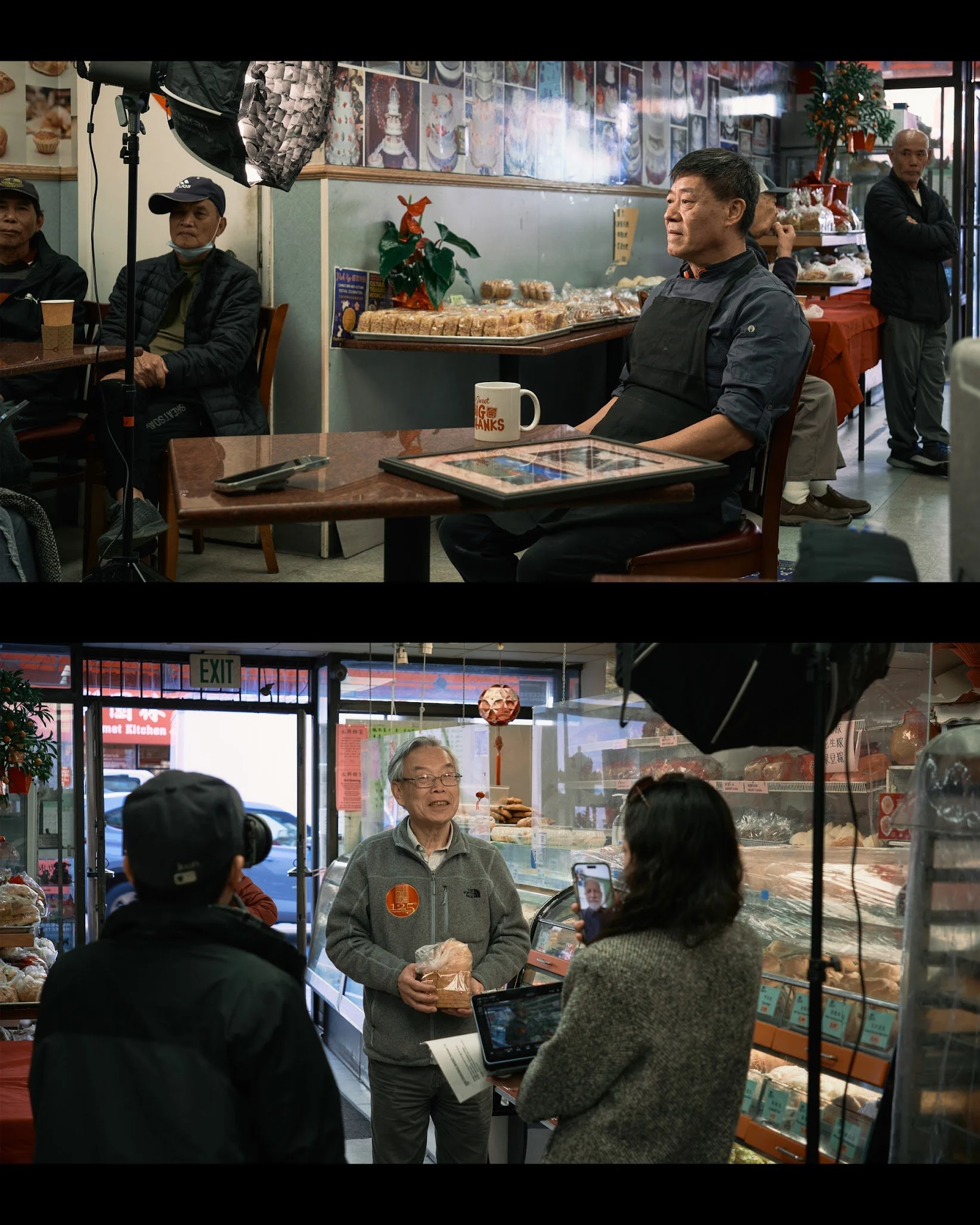
photos courtesy Nafen Wu
Discover the history of a famous San Francisco Chinatown bakery, through interviews with its owner and customers. (click to see video)
Questions for the biography of a person:
Who?
1. What is this person's full name? (Are there alternate spellings of his name? Was there more than one person in your community who shared this same name?)
2. Who were his parents, children, or other family members? What defines him or gives him identity - family, education, religion, profession, social class - and what do you know about these aspects?
3. Do you have a photograph or portrait of him?
What?
1. Which events or conditions in this person's life can you document? Where are the gaps?
2. Have you seen records or narratives that included him?
3. In what ways does he fit into what you know about the larger history of the region, state, or nation?
When?
1. What are the person's accurate birth and death dates?
2. Which people in your community were his contemporaries?
3. Which events occurred when he was alive?
Where?
1. What were the person's accurate addresses?
2. Do you know where he lived and worked at different times of his life, and what characterized these locales?
Why?
1. Which interpretations of this man's experiences can you already make?
2. How have others analyzed him?
For the description of a place:
Who?
1. Who lived or worked at this site? Who visited it?
2. Who owned the property over time?
What?
1. Which events or conditions occurred here that you can already document?
2. Have you seen records or narratives that included it?
3. Do you have photographs or pictures of it, or artifacts from here?
4. In what ways does this site fit into the larger history of the region, state, or nation?
When?
1. In what month and year was this place settled or built?
2. How has it changed over time?
3. What were other places in the vicinity like at this time?
Where?
1. Do you have maps of this site, or enough information to construct your own map?
Why?
1. Has anyone else interpreted the development or importance of this site?
For the study of an event:
Who?
1. Who were the participants is the event?
2. Who was affected by the event, both directly and indirectly, whether or not he was actually present?
What?
1. What were the step by step developments of this event?
2. Have you seen records or first person narratives that described what happened?
3. Do you have photographs or pictures of it, or artifacts connected with the event?
4. In what ways did this occurrence influence or reflect the larger history of the region, state, or nation?
When?
1. Do you know the accurate dates for this occurrence?
2. What was happening at the same time as this event, in the region, state, nation, and world?
Where?
1. Can you locate this event precisely?
2. Do you have photographs, pictures, of maps of the locale?
Why?
1. What were the motivations of the participants?
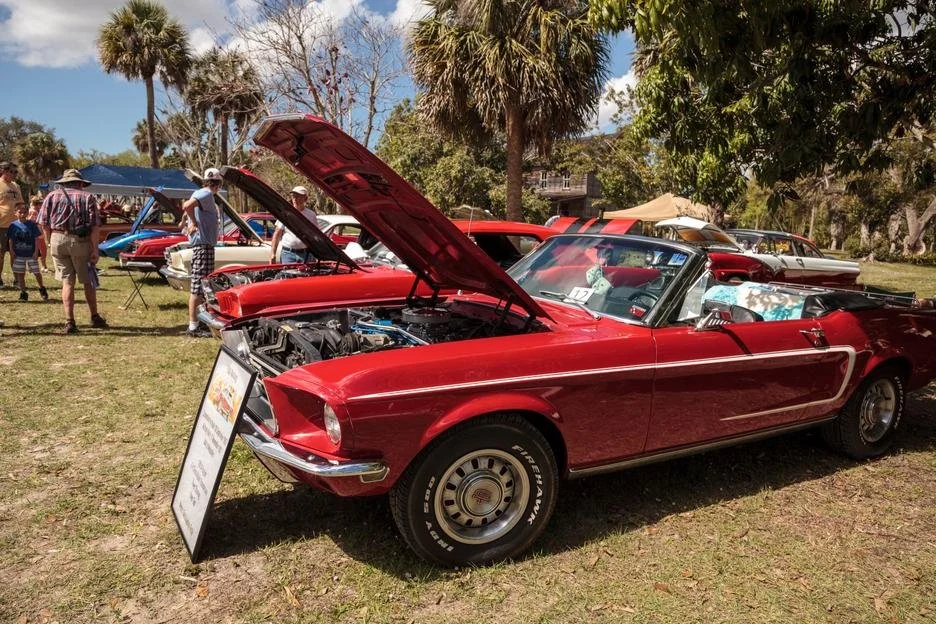
Photo courtesy of Pond5
For the analysis of an artifact:
Who?
1. Who made/sold/used this object?
2. Can you document its provenance (= the chain of ownership of the artifact)?
What?
1. How was the object used?
2. Of what is it made?
3. How was it manufactured or crafted?
4. How much did it cost, if it was purchased?
5. Do you have pictures of it?
6. Have you seen records or narratives which include this object or ones like it?
7. How did it figure in the larger picture of societal events or conditions?
When?
1. When did the artifact come into being?
2. What was the time span of its use?
3. What were related contemporary objects like?
Where?
1. Where was the artifact made/sold/used?
Why?
1. How does this artifact define or explain the conditions of the period in which you find it?
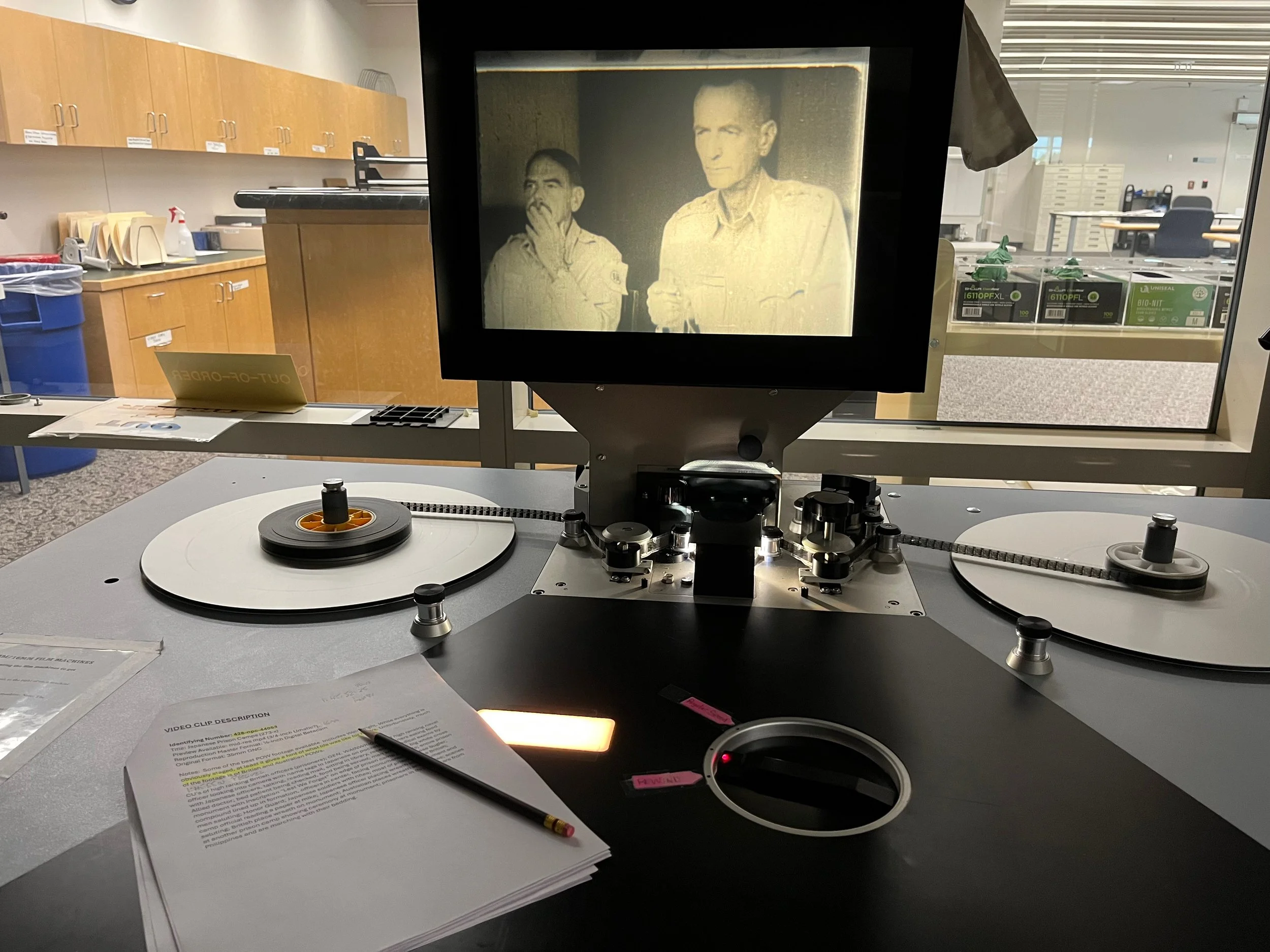
Photo courtesy Paradox Communications, Inc.